Is Brazil's New Generation Ready for the World Cup?
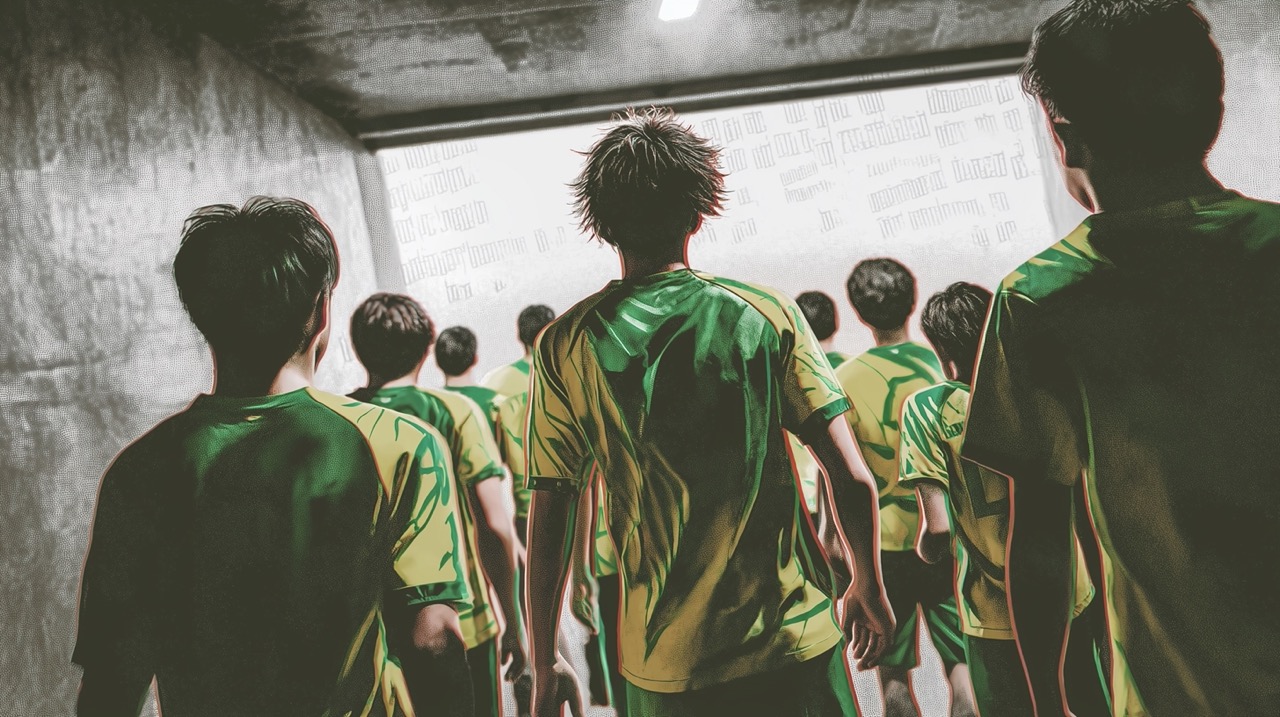
The future of Brazilian football rests on the shoulders of the youth as they head towards the 2026 World Cup. The Samba Boys are closely following the steps of Endrick, Vinícius Jr., Rodrygo, Gabriel Martinelli and their teammates as they build towards the upcoming tournament. But will Ancelotti's Brazil project rise on the shoulders of young players?
The Grinning Smile of Youth: The Endrick Era
Endrick is not just a player; he is the symbol of Brazil's future hope. Called up to the Brazilian national team squad at just 17 years old, this young talent had already emerged as a star at Palmeiras by the time he was transferred to Real Madrid. Endrick adds a new dimension to Brazil's attack - fast, intelligent, and a player with a nose for goal. Before 2026 arrives, he could rewrite the classic Brazilian striker typology.
The Shining Stars of the Attack
Vinícius Jr. is currently one of Brazil's most powerful players. The experience he gained at Real Madrid and the door being wide open could make him one of the tournament's most dangerous wingers in 2026. Rodrygo has specialized in breaking defensive lines with his off-the-ball movement and attacking transitions. Both are delivering incredible performances week after week at Europe's top clubs.
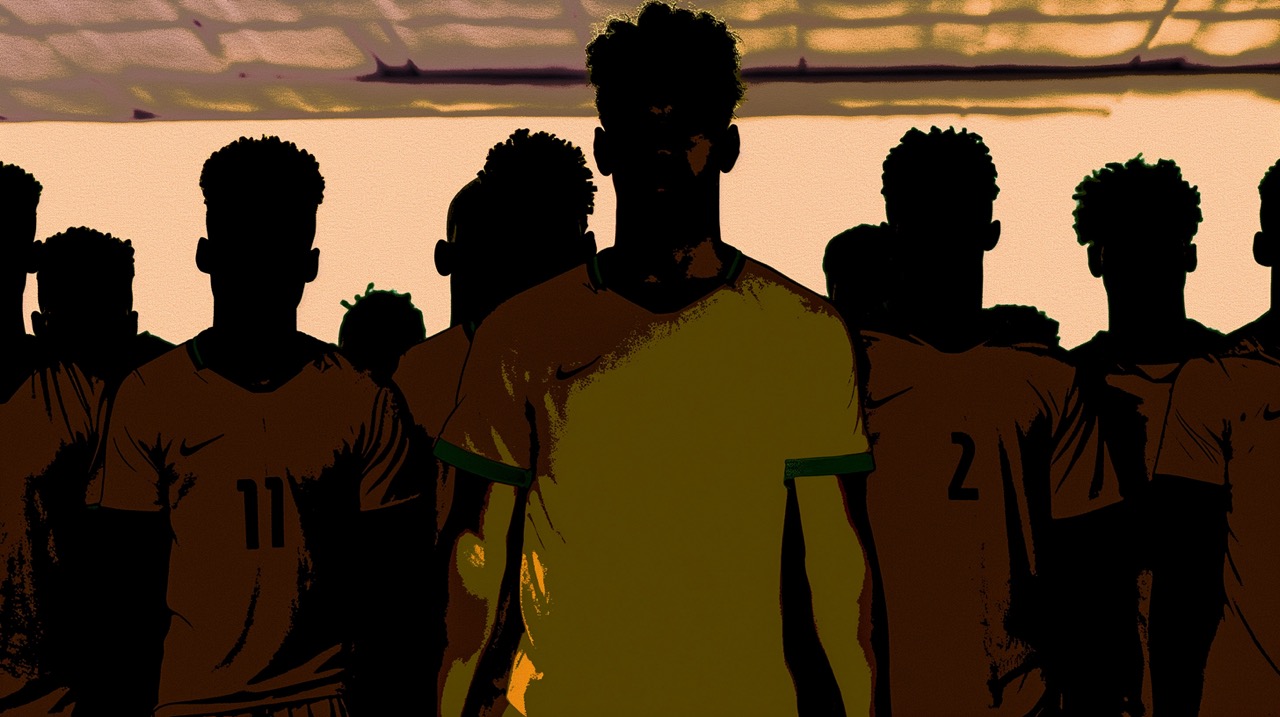
Gabriel Martinelli also wants to create a new player identity with the evolution he's experiencing at Arsenal and his contributions to Brazil. The addition of these players to the system Ancelotti is preparing is not just a matter of skill - it signifies a strategic and tactical transformation.
Midfield: The Inner Strength of Youth
There is also a rejuvenation movement in Brazil's midfield. Players like Andrey Santos are making quick progress in adapting to Ancelotti's system. These types of players, playing alongside the experienced Casemiro, maintain the tempo of possession play while meeting the physical demands of the tournament.
Defensive Caution: Experience and Young Potential
In the defensive line, alongside experienced names like Marquinhos, Bremer, Gabriel Magalhães, young players like Douglas Santos and Léo Pereira are also giving important signals about the future. It is observed that Brazil's defensive system is transforming into a strategy that preserves its established structures while making room for the youth.
The Neymar Factor and the New Era

Neymar's situation remains ambiguous. Carlo Ancelotti had given a clear message: "Neymar will only be called up to the squad if he is one hundred percent fit and in his best form." This emphasizes how seriously Brazil is taking its focus on the youth. If the legend's return is successful, Endrick and his teammates will play a complementary role; if not, the new generation appears ready to take the leading role.
Time Remaining Until 2026: The Experience-Building Process
Brazil has no less than 2.5 years remaining. How Ancelotti will test the youngsters during this period, which players he will pair together, how he will establish tactical dynamics - all of these are extremely important. Friendly matches, regional tournaments, and training camps will be the keystones in preparing these youngsters for the big stage.
Fan Expectations vs. Realism
Brazilian fans are accustomed to past successes. A country that has won the World Cup five times has very high expectations from young players as well. But these young players speak the new language of the game - positional play, pressing-based defense, dynamic passing lanes. Ancelotti's success in blending these new elements with the existing Brazilian football DNA will determine their success in 2026.
Conclusion: The Gates to the Future Are Opening
Is Brazil's future secure for the 2026 World Cup? The answer lies in the pace of development these youngsters are currently experiencing. Endrick, Vinícius Jr., Rodrygo, Gabriel Martinelli, and the other players supporting them, when combined with Ancelotti's vision and work ethic, show that Brazil could be a very realistic candidate for the sixth star. The remaining time means these youngsters will be tested in Europe's most challenging leagues, experiencing scarcity and pressure. This could reveal a very different Brazil when they arrive on North American pitches.