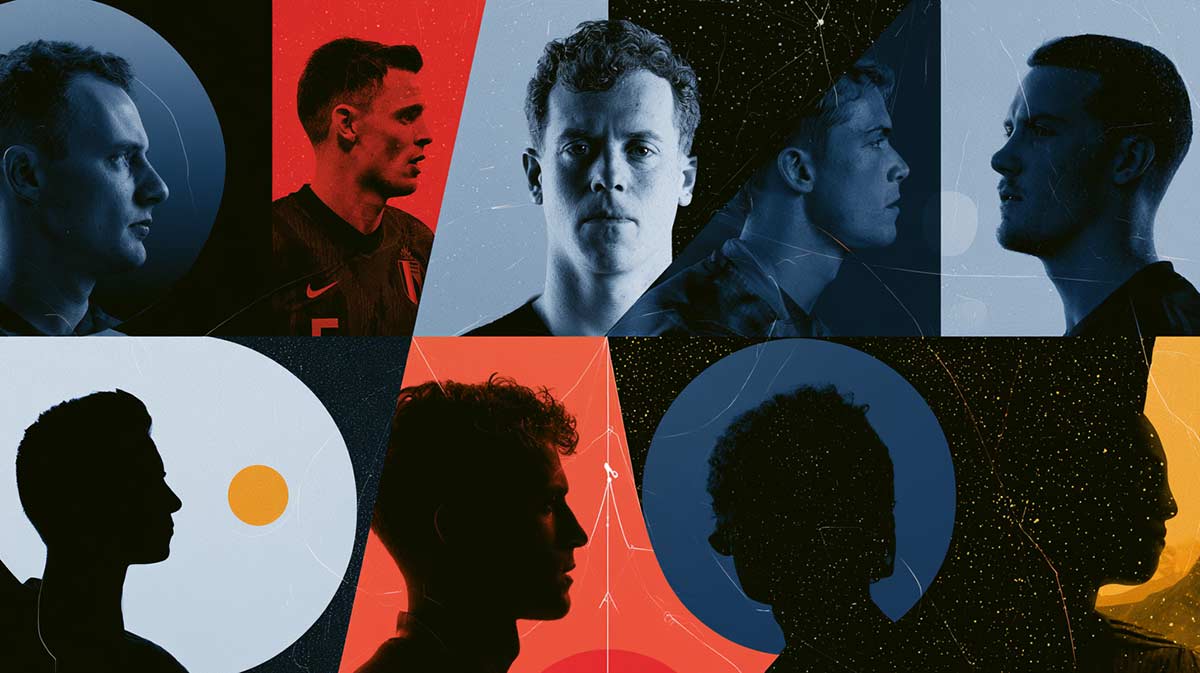
While Mbappé and Haaland dominate headlines, a new generation of under-20 talents is quietly positioning themselves for World Cup 2026. These aren't just prospects anymore — they're first-team regulars at Europe's elite clubs, redefining what we expect from teenagers on football's biggest stage.
The New Wave of Under-20 Stars
The 2026 World Cup will showcase the first generation of players who learned the game in the post-Guardiola tactical revolution. These teenagers understand inverted full-backs, false 9s, and gegenpressing as naturally as previous generations understood 4-4-2. Their tactical intelligence matches their technical ability — and the numbers prove it.
Endrick Felipe's move to Real Madrid wasn't just about potential — it was about immediate impact. At 17, the Brazilian striker has already shown he can adapt his game to different tactical systems, dropping deep to link play when needed, then exploding into the box with predatory instincts. His finishing technique resembles a young Ronaldo Nazário, but his positional awareness is purely modern.
“These players don't just have talent — they have the tactical maturity that used to take years to develop.”
Europe's Tactical Prodigies
Barcelona's centre-back revolution continues with Pau Cubarsí, whose progressive passing from deep positions has redefined La Masia's defensive philosophy. The 18-year-old Spaniard doesn't just play out from the back — he orchestrates attacks with line-breaking passes that bypass entire midfield lines. His comfort in high defensive lines and ability to step into midfield during build-up phases makes him the prototype modern centre-back.
The average age of breakthrough players at Europe's top five leagues has dropped to 19.2 years in 2025-26, the lowest since detailed records began. These aren't development stories — they're immediate impact players who could define World Cup 2026.
Paris Saint-Germain's midfield metronome represents the new breed of deep-lying playmaker. At 19, Warren Zaïre-Emery combines Verratti's press resistance with Modric's range of passing. His ability to receive the ball under pressure, turn, and immediately switch play has made PSG less predictable in their build-up patterns. For France, he offers something different from the Tchouaméni-Camavinga partnership — a genuine tempo controller who can dictate games from deep positions.
South American Sensations
Argentina U-20 Playmaker
- Age: 18
- Current club: River Plate
- Position: Central attacking midfielder
- Playing style: Classic enganche with modern mobility
Ecuador U-20 Attacking Mid
- Age: 17
- Current club: Independiente del Valle
- Position: Right-wing/attacking midfielder
- Direct runner with technical precision
The Next Messi vs. The Next Valencia
Echeverri moves like a young Messi — not in style, but in spatial awareness and timing. His ability to find pockets of space between lines and deliver the killer pass has drawn comparisons to Argentina's golden generation. Páez, meanwhile, represents Ecuador's new wave of technical players, combining South American flair with European tactical discipline learned through the club's partnership with Brighton.
Africa's Rising Stars
Senegal's midfield anchor has moved to AS Monaco and immediately adapted to European football's intensity. At 19, Camara's defensive positioning and ball-winning ability suggest he could anchor Senegal's midfield in a way that allows their attacking talents more freedom. His pressing triggers and ability to break up play in the middle third make him the perfect complement to more creative players.
Key Development Patterns
What makes these players different?
They're playing regular first-team football before age 20, not just training with senior squads
Where are they developing fastest?
European clubs with clear youth pathways and immediate playing opportunities
Which positions dominate?
Central midfielders and centre-backs — the positions requiring highest tactical intelligence
The 2026 World Cup won't just crown new champions — it will introduce a generation that could dominate international football for the next decade. These under-20 talents aren't just prospects anymore. They're the present, and they're ready to prove it on football's biggest stage.
Loading…